Hello,Welcome to Zhengzhou fenglan boiler co., LTD !

7*24 hours Hotline : +8613526427771
Southeast Asia sales calls:+66890892025
7*24 hours Hotline : +8613526427771
Southeast Asia sales calls:+66890892025
zhengzhou fenglan boiler co., LTD
tel:+8613526427771
Overseas sales hotline:+66890892025
E-mail:fenglan@guolu.vip
382620615@qq.com
Address:Zhengzhou, Henan, China
 WeChat
 </li>
</li>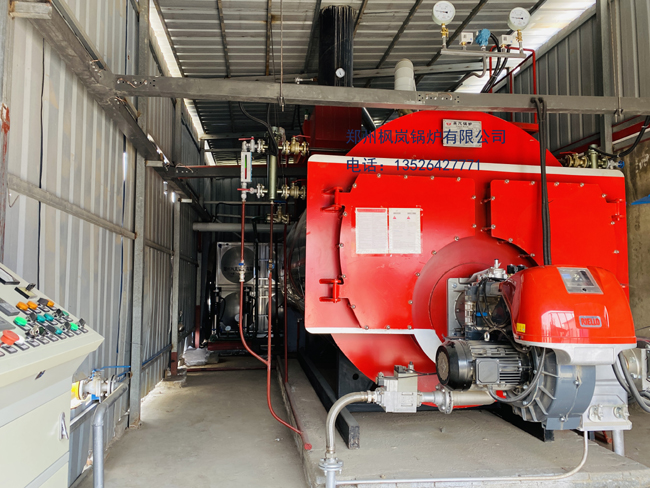
Product categories: Gas condensing boiler
Product keywords:gas boiler, wet back, condensing boiler, liquefied gas, methanol, sub-cylinder
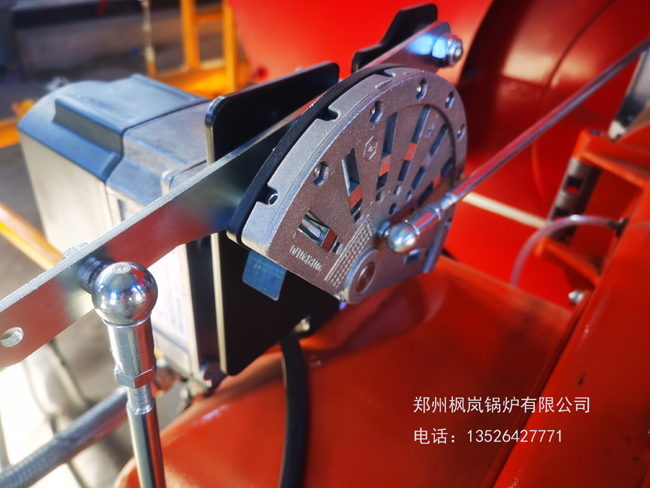
Introduction:WNS three-pass low-nitrogen combustion, robot tube-sheet welding, stainless steel multi-stage boiler feed water pump, sub-cylinders in the delivery workshop, compensators ...
Telephone:+8613526427771
Southeast Asia sales calls:+66890892025

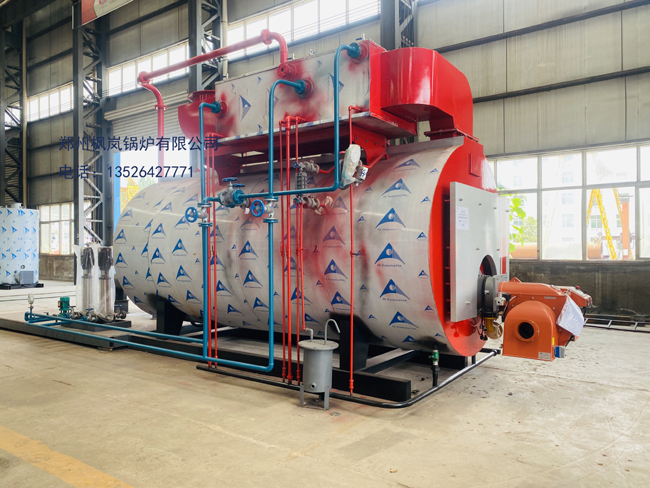
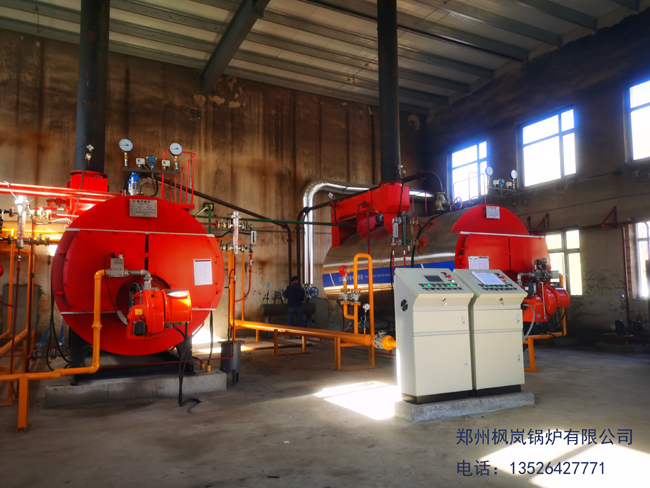
Gas ultra-low nitrogen condensing boiler
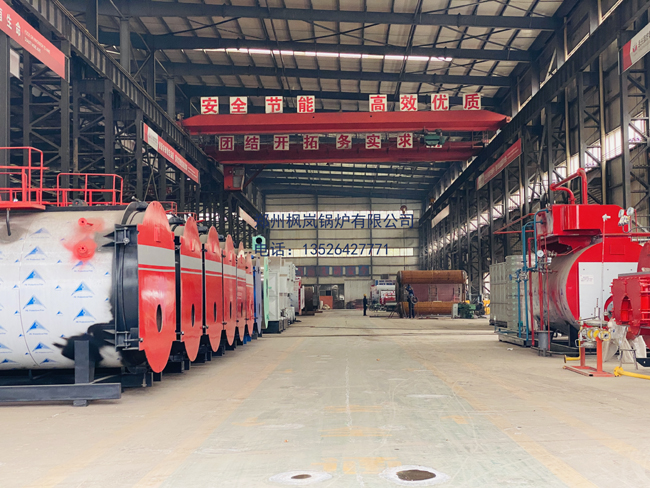
Gas ultra-low nitrogen condensing boiler
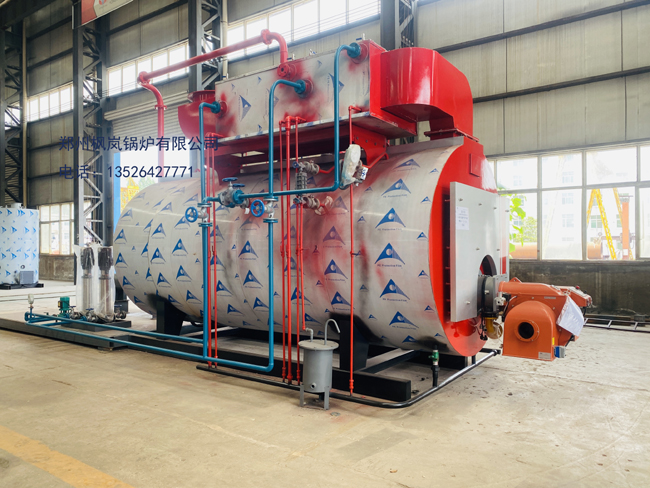
Gas ultra-low nitrogen condensing boiler
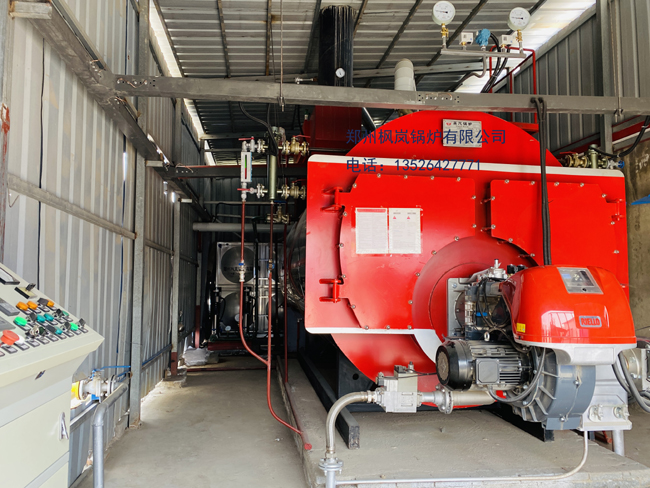
Gas ultra-low nitrogen condensing boiler
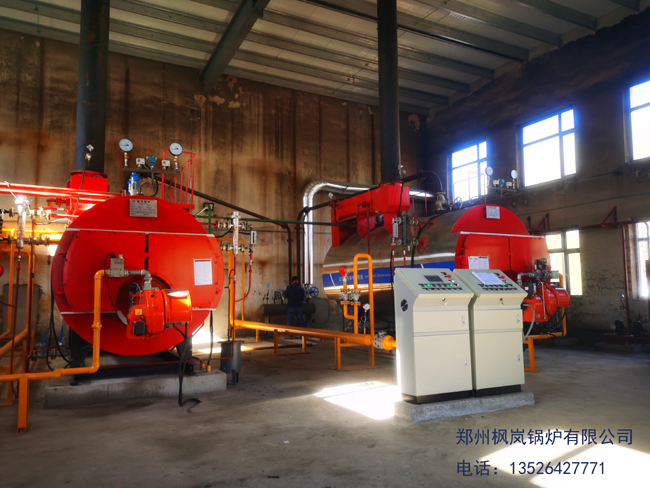
Gas ultra-low nitrogen condensing boiler
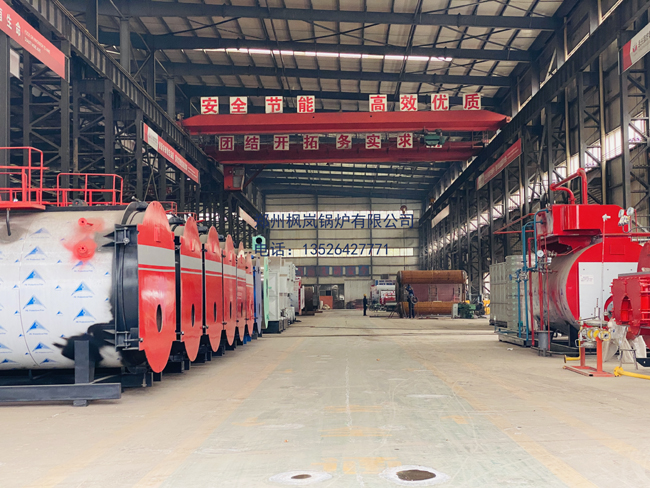
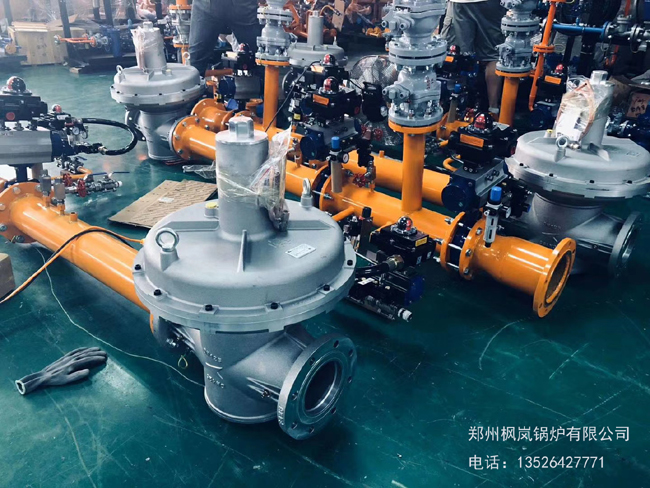
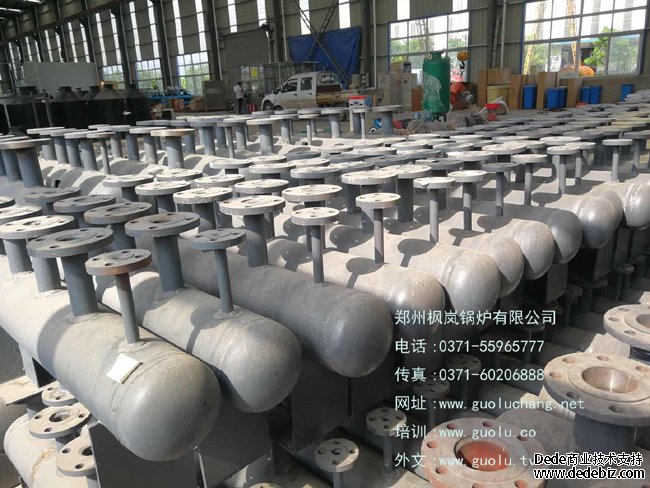
Distribution cylinders in the delivery workshop
The exhaust gas temperature of the boiler is generally 160-250 ℃, and the water vapor in the flue gas is still in a superheated state, and it is impossible to condense into liquid water and release the latent heat of vaporization. As we all know, the boiler thermal efficiency is calculated based on the low calorific value of the fuel, without considering the heat loss of the latent heat of vaporization in the high calorific value of the fuel. Therefore, the thermal efficiency of traditional boilers can only reach 87% to 91%. As for the condensing waste heat recovery boiler, it reduces the exhaust gas temperature to 50-70°C, fully recovering the sensible heat in the flue gas and the latent heat of condensation of water vapor. The volumetric composition of water vapor in the flue gas of condensing waste heat recovery boilers fueled by natural gas is generally 15% to 19%, and the water vapor content in the flue gas of oil-fired boilers is 10% to 12%, which is much higher than that in the flue gas produced by coal-fired boilers . Water vapor content below 6%. At present, the thermal efficiency of boilers is calculated based on the low calorific value. Although the thermal efficiency is relatively high in name, the actual energy utilization rate needs to be improved due to the difference of about 10% between the high and low calorific value of natural gas. In order to make full use of energy, reduce the exhaust gas temperature, and recover the physical heat energy of the flue gas, when the wall temperature of the heat exchanger is lower than the dew point temperature of the flue gas, the water vapor in the flue gas will be condensed to release latent heat, 10% high and low The heat difference can be effectively utilized.
The amount of latent heat of water vapor in the flue gas that can be recovered is related to the type of fuel used by the boiler and the outlet water temperature of the boiler. When an ordinary boiler without a condensing recovery device burns natural gas, if the thermal efficiency of the boiler is calculated as 90% based on the low calorific value of the fuel, after the condensing waste heat recovery device is used, the exhaust gas temperature will drop to 30-50°C, and its thermal efficiency will increase. to around 107%. In the case of constant fuel consumption, the lower the return water of the heating system, the more heat recovered by the condensing waste heat recovery device, and the higher the thermal efficiency of the boiler. For water-ring water-source air conditioners that use boilers to provide heat in winter, the temperature of the hot water supplied is 25°C, and the use of condensing boilers saves considerable operating costs compared with ordinary hot water boilers . Taking a 1 million kcal/h boiler as an example, the natural gas consumption of ordinary boilers is 126.5Nm3/h (the lower calorific value of natural gas is 8500kcal/Nm3), and the natural gas consumption of condensing boilers is 110 Nm3/h. If the boiler runs for 10 hours a day , if the heating cycle is 100 days, the use of condensing boilers can save 16,500 Nm3 of natural gas per year. Based on the natural gas price of 1.8 yuan, the annual operating cost can be saved by 29,700 yuan.
Fuel combustion will produce a large amount of CO2, NOX and a small amount of SO2. These substances are discharged into the atmosphere, which will cause the greenhouse effect and acid rain, and have a damaging effect on the environment. The condensing boiler can easily remove these harmful substances in the flue gas while condensing the water vapor in the flue gas. Therefore, the use of a condensing boiler is also of great significance to protect the environment.
On August 30, 2010, the General Administration of Quality Supervision, Inspection and Quarantine promulgated TSG G0002-2010 "Boiler Energy Saving Technology Supervision and Management Regulations " . The regulations put forward clear requirements for energy-saving work in the design, manufacture, installation, renovation, maintenance and use of boilers, which is of great significance to standardize boiler energy-saving work.
Some important clauses are excerpted below:
Article 8: The design of boiler exhaust gas temperature should comprehensively consider the safety and economy of the boiler, and meet the following requirements:
(1) Steam boilers with rated evaporation less than 1t/h, not higher than 230°C
(2) For steam boilers with rated evaporation less than 0.7MW, the temperature shall not be higher than 180°C
(3) For steam boilers with rated evaporation greater than or equal to 1t/h and hot water boilers with rated thermal power greater than or equal to 0.7MW , the temperature shall not be higher than 170°C
(4) For organic heat carrier boilers with rated thermal power less than or equal to 1.4MW , the temperature of the inlet medium shall not be higher than 50°C
(5) For organic heat carrier boilers with a rated thermal power greater than 1.4MW, the temperature shall not be higher than 170°C
Article 23 For boilers fueled by natural gas, it is advisable to use semi-condensing or fully condensing tail heat exchange devices to recover the heat in the flue gas.
Article 26 Boiler manufacturers shall provide boiler product energy efficiency test reports to users. The energy efficiency test shall be carried out by the boiler energy efficiency test institution determined by the General Administration of Quality Supervision, Inspection and Quarantine.
Announcement on publishing the 2011 catalog of energy-saving technologies and products for high-energy-consuming special equipment ( No. 5, 2012)
According to the relevant provisions of the "Special Equipment Supervision Regulations", in order to further promote the energy-saving work of high-energy-consuming special equipment and increase the promotion of energy-saving technologies and products for special equipment, the General Administration of Quality Supervision, Inspection and Quarantine organized experts to review the reports submitted by relevant units in 2011 . Energy-saving technologies and products for high-energy-consuming special equipment were selected, and 21 technologies and products were identified for promotion.