Hello,Welcome to Zhengzhou fenglan boiler co., LTD !

7*24 hours Hotline : +8613526427771
Southeast Asia sales calls:+66890892025
7*24 hours Hotline : +8613526427771
Southeast Asia sales calls:+66890892025
zhengzhou fenglan boiler co., LTD
tel:+8613526427771
Overseas sales hotline:+66890892025
E-mail:fenglan@guolu.vip
382620615@qq.com
Address:Zhengzhou, Henan, China
 WeChat
Product categories: Vacuum boiler
Product keywords:canned liquefied petroleum gas boiler, biochemical fuel, canned liquefied petroleum gas
Introduction:Canned liquefied petroleum gas boiler, gas room, canned liquefied petroleum gas, fan linkage sound and light alarm, liquefied petroleum gas fired steam boiler, gasifier, Fenglan liquefied petroleum gas fired boiler gasification equipment ...
Telephone:+8613526427771
Southeast Asia sales calls:+66890892025

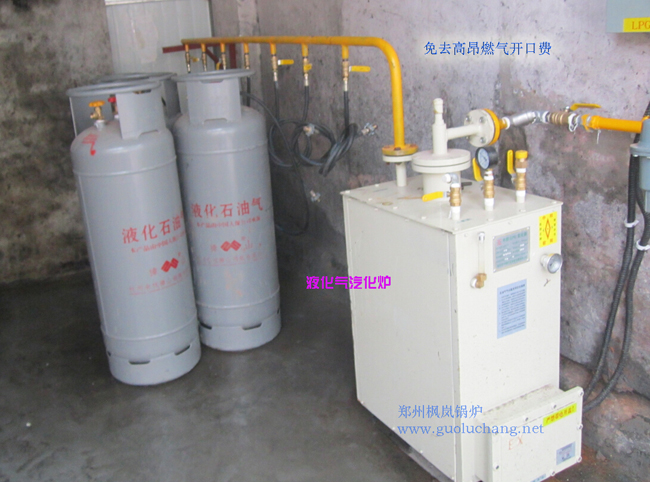
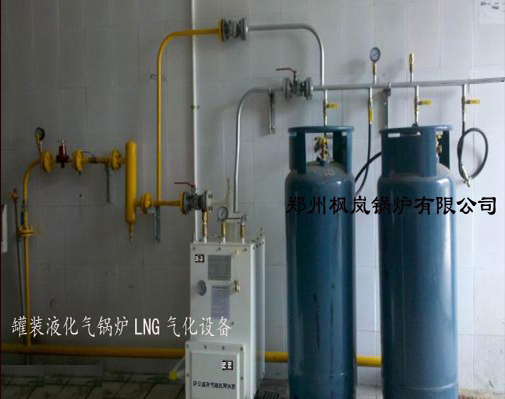
Canned liquefied gas boiler, gas room equipment

Liquefied petroleum gas-fired steam boiler, gasification equipment, pipeline connection layout in kind
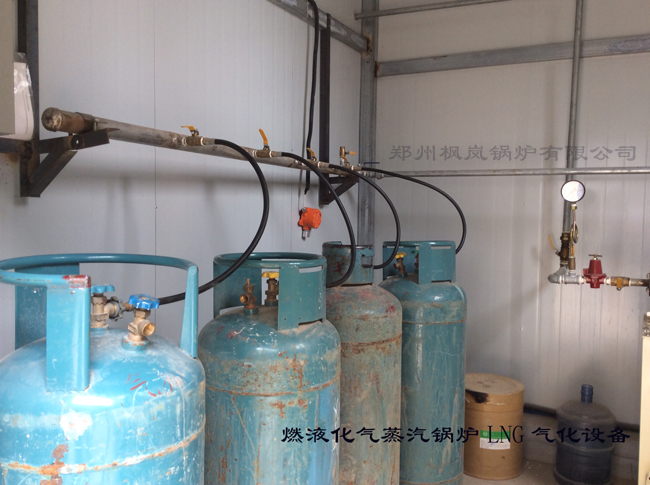
Fenglan liquefied gas boiler gasification equipment room
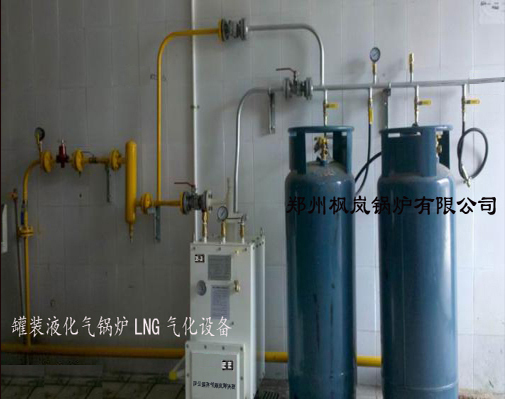
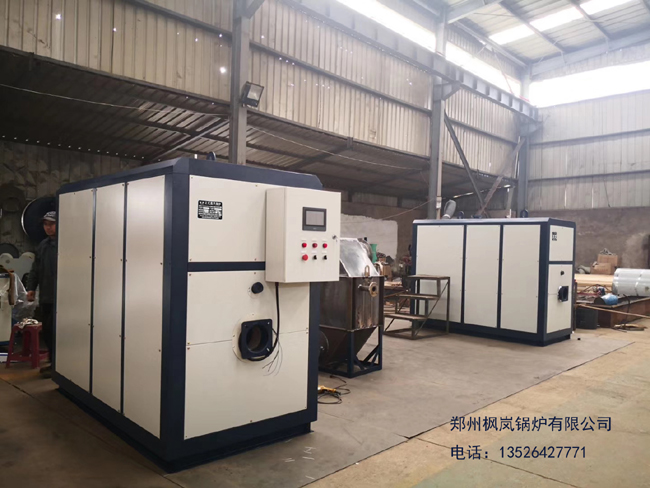
Physical map of Zhengzhou Fenglan liquefied gas-fired horizontal steam boiler

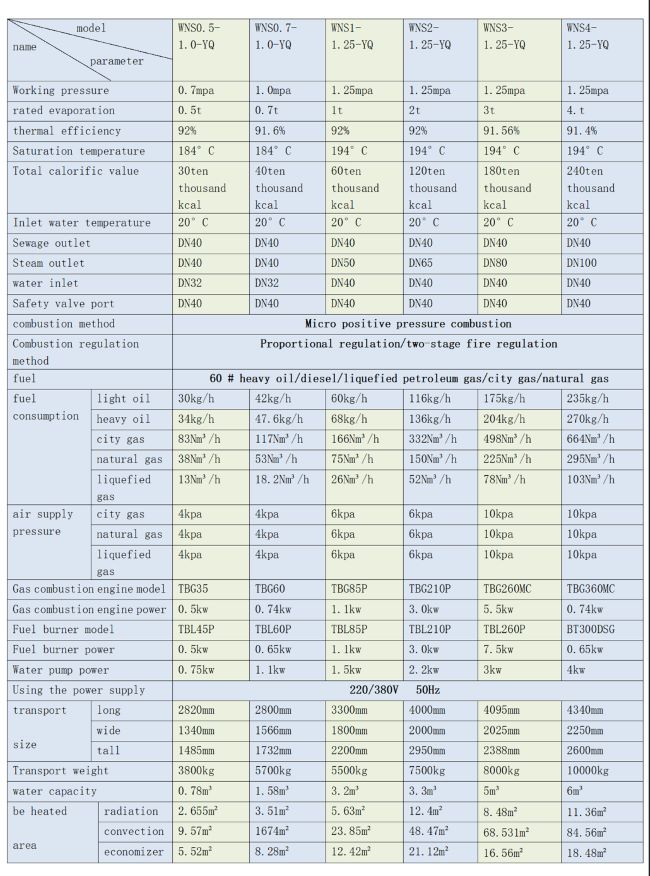
Liquefied gas fired steam boiler (technical parameters and energy consumption)
1. As Fenglan coal-fired boilers limit pollution and eliminate the development of the petrochemical industry in some areas, liquefied petroleum gas is a basic chemical raw material and a new type of fuel. People pay more and more attention to the boiler industry in chemical production. Fenglan When the boiler company uses canned liquefied gas in the boiler, the canned liquefied gas is equipped with gas leakage detection and alarm, fan linkage, pressure stabilizing valve, sound and light alarm, emergency cut-off, and gasification equipment installed in a specific gas room. Simple, safe operation, energy saving and environmental protection. Suitable for cities and regions with restrictions on coal-fired boilers and businesses without piped natural gas.
In the production / storage and use of liquefied petroleum gas , there are two states of gas and liquid at the same time.
In the use of boilers, we usually determine according to the gas consumption of the boiler
2. Liquefied petroleum gas is a by-product obtained from crude oil catalytic cracking and thermal cracking in oil refineries . The main components of catalytic cracking gas are as follows ( % ) : hydrogen 5-6 , methane 10 , ethane 3-5 , ethylene 3 , propane 16-20 , propylene 6-11 , butane 42-46 , butene 5-6 , 5-12 hydrocarbons containing more than 5 carbon atoms . , used to produce synthetic plastics, synthetic rubber, synthetic fibers and the production of medicines, explosives , dyes and other products. Use liquefied petroleum gas as fuel, because of its calorific value High, no smoke, no carbon residue, easy to operate and use, has widely entered the field of people's lives. It is used for baking of agricultural products and roasting of industrial kilns , etc.
3. 90% of the natural gas drawn by energy companies from the ground is methane. The rest is various liquefied petroleum gas, the output of liquefied petroleum gas refined from natural gas varies, generally 1% to 3% . In addition, LPG can be separated from crude oil. The refining process will produce about 3% of the liquefied petroleum gas output. If the refinery equipment is optimized to concentrate on refining liquefied petroleum gas, this output can reach 30%-40% .
4. Density: liquid liquefied petroleum gas 580kg / m3, gaseous density: 2.35kg per cubic meter, gaseous relative density: 1.686 (that is, if the density of air is 1 , the density of liquid liquefied petroleum gas relative to air is 1.686 )
Ignition temperature (°C):426~537
Upper explosion limit %(V/V):9.5
Lower explosion limit %(V/V):1.5
Combustion value: 45.22~50.23MJ/kg
Please contact the data room of Zhengzhou Fenglan Boiler Co., Ltd. for the relevant information and operating costs of biochemical fuels or alcohol-based fuels
Tel: 0371-55965777 60206888
5. LPG refers to petroleum gas liquefied under high pressure or low temperature, referred to as " liquefied petroleum gas " or " liquefied petroleum gas " . Its composition is propane, n -butane , isobutane and a small amount of ethane, organic compounds larger than carbon 5 , unsaturated hydrocarbons , etc. LPG has the characteristics of flammability, explosiveness, gasification , thermal expansion, retention, electrification, corrosion and suffocation.
6. Liquefied petroleum gas
LPG is mainly composed of propane ( C3H8 ), butane ( C4H10 ), and some LPG also contains propylene ( C3H6 ) and butene ( C4H8 ). LPG is generally obtained from petroleum gas in oil and gas fields , refineries or ethylene plants. Compared with other fuels, LPG has the following advantages.
- less pollution
LPG is a hydrocarbon composed of C3 (carbon three) and C4 (carbon four), which can be completely burned without dust. Application in modern cities can greatly reduce the pollution caused by using coal and firewood as fuel in the past.
- high calorific value
The calorific value of LPG with the same weight is equivalent to twice that of coal , and the liquid calorific value is 45 185 ~ 45 980 kJ/kg .
7. Implementation standards
GB/T 12576-1997 Liquefied Petroleum Gas Vapor Pressure, Relative Density and Octane Number Calculation Method was implemented on 1997-12-01 , replacing GB/T 12576-1990
B/T 10546-2003 Rubber hoses and hose assemblies for bulk transportation of liquefied petroleum gas ( LPG ) are implemented on 2004-02-01 , replacing GB 10546-1989
GB/T 17676-1999 Natural gas vehicle and liquefied petroleum gas vehicle logo 2000-01-01 implementation
GB/T 17895-1999 Vocabulary for Natural Gas Vehicles and Liquefied Petroleum Gas Vehicles 2000-08-01 Implementation
GB 18299-2001 Integrated valve for liquefied petroleum gas cylinders for motor vehicles implemented on 2001-10-01
GB/T 18364.1-2001 Liquefied Petroleum Gas Filling Ports for Automobiles (Screw Type) Implemented on 2002-01-01
Implementation of GB/T 18821-2002 Small Boat Liquefied Petroleum Gas ( LPG ) System 2003-01-01
GB 19159-2003 liquefied petroleum gas for vehicles was implemented on 2003-11-01
GB/T 19235-2003 liquefied petroleum gas dispenser air gun 2003-12-01 implementation
GB/T 19238-2003 Liquefied Petroleum Gas Dispenser for Automobiles 2003-12-01 Implementation
GB/T 19239-2003 Installation requirements for liquefied petroleum gas vehicle special equipment 2003-12-01 implementation
GB/T 18364.2-2005 Liquefied Petroleum Gas Filling Ports for Automobiles Part 2 : Quick-plug Type 2005-08-01 Implementation
GB 5842-2006 liquefied petroleum gas cylinder 2007-02-01 implementation
B 20414-2006 Rubber hoses and hose assemblies for liquefied petroleum gas for motor vehicles 2006-12-01 implementation
GB 7512-2006 Liquefied Petroleum Gas Cylinder Valve 2007-02-01 implementation, replacing GB 7512-1998
GB 20561-2006 Regular inspection and assessment of liquefied petroleum gas cylinders for motor vehicles 2007-04-01 Implementation
GB 20689-2006 Specification for rubber hoses and hose assemblies for distributing liquefied petroleum gases ( LPGs ) 2007-04-01 Implementation
GB 20912-2007 Liquefied Petroleum Gas Evaporation Regulators for Automobiles 2007-11-01 Implementation
GB 21176-2007 Safety Code for Inspection of Hazardous Properties of Liquefied Petroleum Gas Hazardous Goods 2008-06-01 Implementation
GB/T 10410-2008 Gas Chromatography Analysis Method for Constant Components of Artificial Gas and Liquefied Petroleum Gas was implemented on 2009-04-01 , replacing GB/T 10410.1-1989, GB/T 10410.3-1989
GB/T 18437.2-2009 Technical Requirements for Retrofitting Gas Vehicles Part 2 : Implemented on 2010-01-01 for Liquefied Petroleum Gas Vehicles , replacing GB/T 18437.2-2001
GB 17259-2009 Liquefied Petroleum Gas Cylinders for Motor Vehicles was implemented on 2010-04-01 , replacing GB 17259-1998
GB 8334-2011 Periodic Inspection and Evaluation of Liquefied Petroleum Gas Cylinders
GB 11174-2011 Liquefied Petroleum Gas
GB/T 27877-2011 Technical specification for maintenance of liquefied petroleum gas vehicles
GB 11518-1989 Hygienic Standard for Liquefied Petroleum Gas in the Workshop Air was implemented on 1990-02-01
GB/T 12692.4-1992 Classification of Petroleum Product Fuel ( F Category) Part IV: Liquefied Petroleum Gas ( L Group) 1992-12-01 Implementation
GB/T 13287-1991 Liquefied Petroleum Gas Volatility Determination Method 1992-10-01 Implementation
Please contact the data room of Zhengzhou Fenglan Boiler Co., Ltd. for the relevant information and operating costs of biochemical fuels or alcohol-based fuels